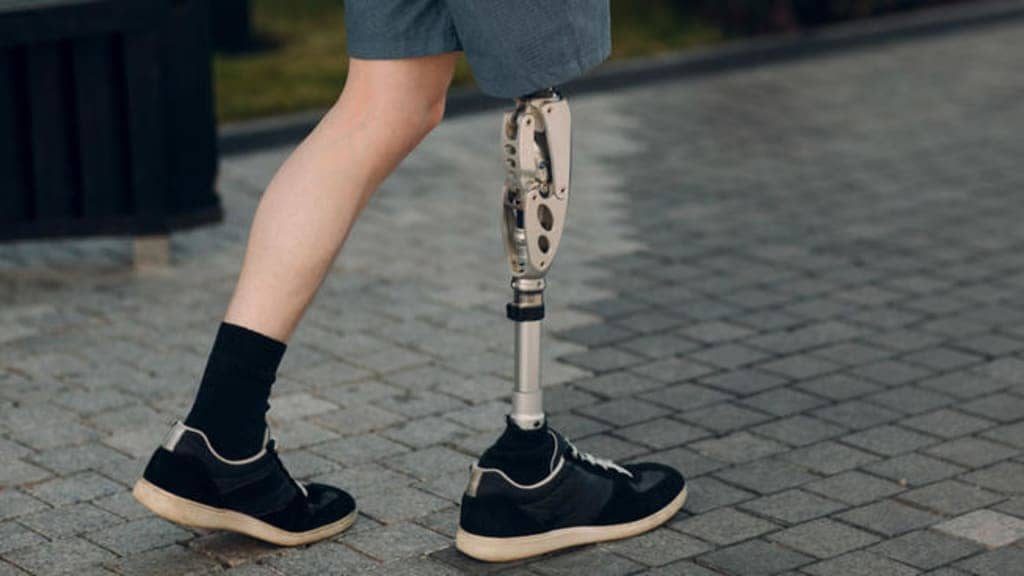
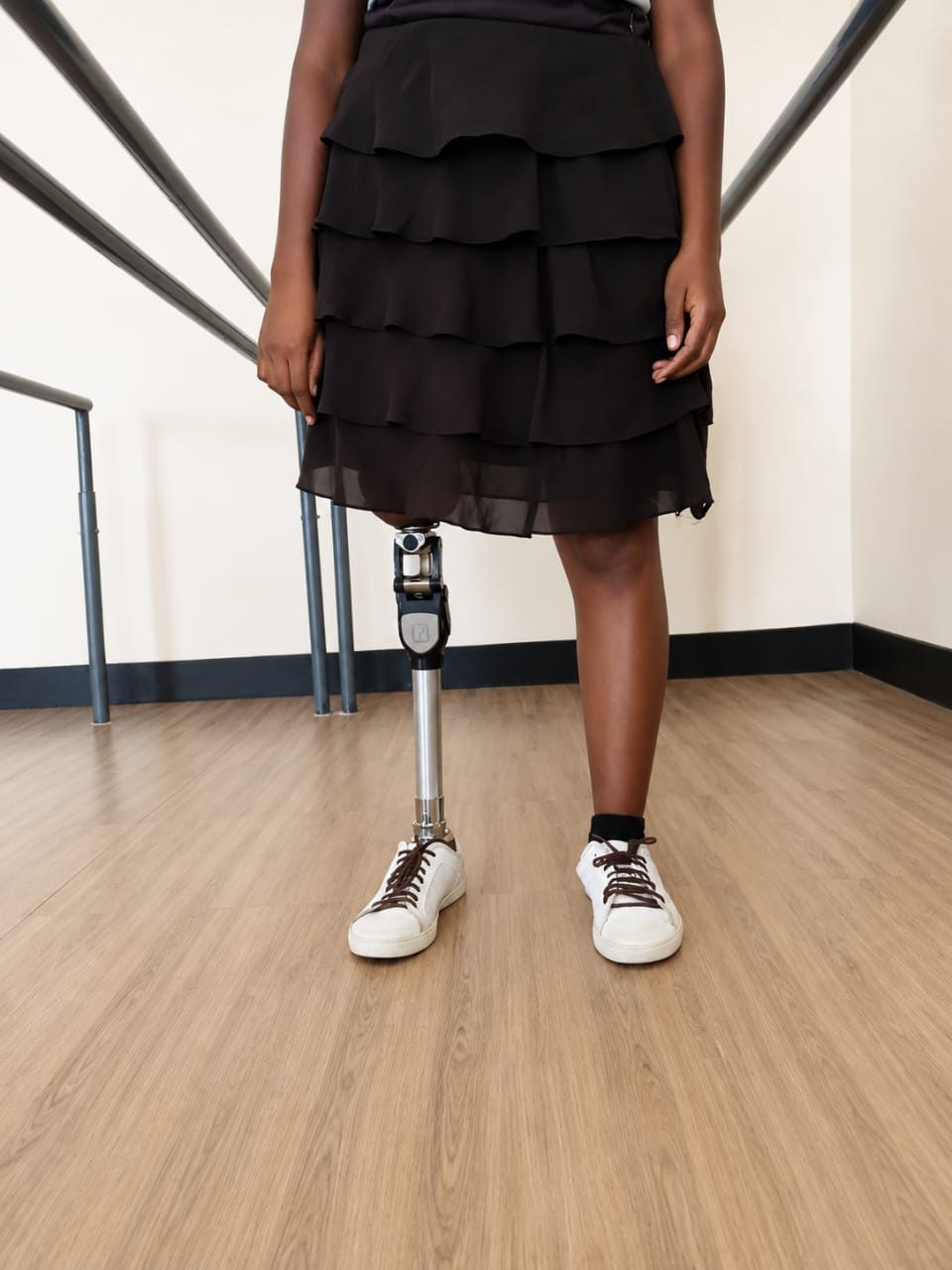
A prosthesis works best when it is looked after. A few simple habits protect your skin, keep the device comfortable and help you notice small problems before they become big ones.
Look after your skin
Check the skin where the socket touches your limb every day. Use a mirror, or ask someone to help you. Redness that does not fade after the device has been off for a while, blisters, cuts, swelling and sore spots all need attention. Wash the skin gently with mild soap and water, rinse well and dry it completely. Moisture and sweat can cause irritation.
Keep the socket, liner and socks clean
Clean the socket and liner the way your clinician has shown you, and let them dry fully. Wash your prosthetic socks regularly, and do not wear a damp or wrinkled sock, because it can rub the skin.
Build up wearing time slowly
With a new device, increase the hours you wear it gradually, as your clinician advises. Your body needs time to get used to it.
Do not force a poor fit
The size of your limb can change through the day and over time, for example with weight changes or swelling. If the socket feels too loose or too tight, or you need more and more socks to stay comfortable, ask for a review instead of pushing through the discomfort.
Leave adjustments and repairs to the clinic
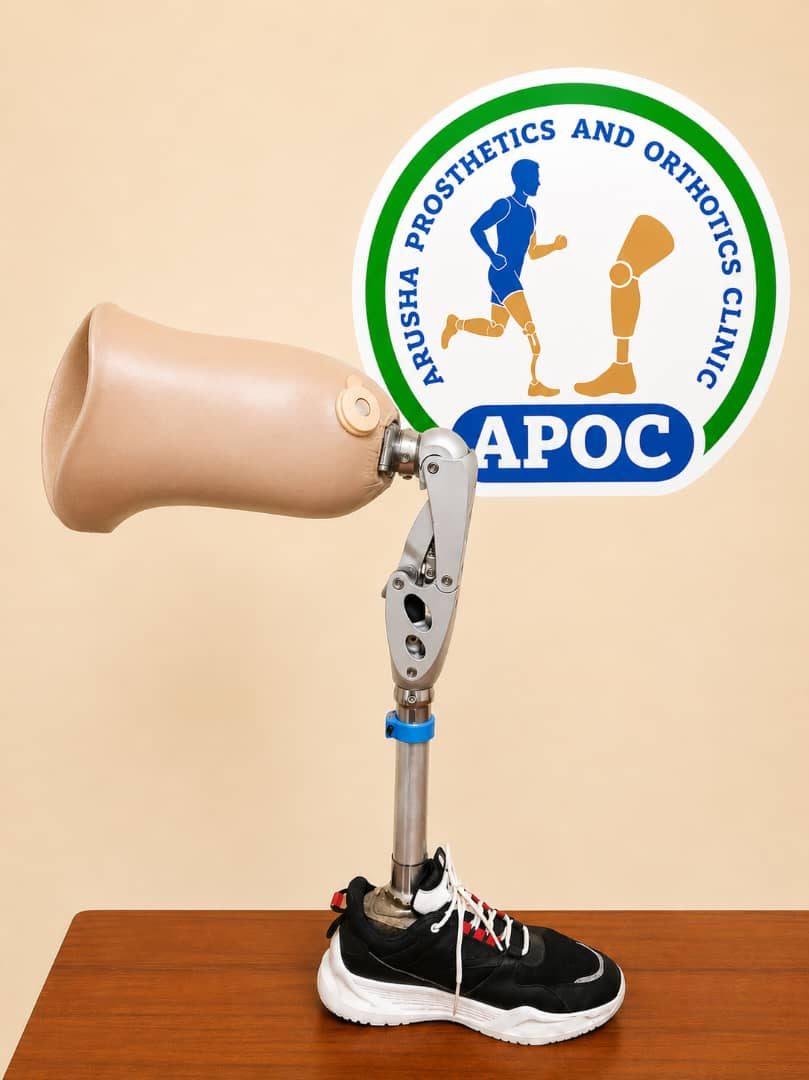
Alignment and components are set for your body by trained people. Changing them yourself can cause a fall or an injury. If something feels wrong, stop and contact your clinic.
Check the device regularly
- Look for cracks, loose screws or loose parts.
- Notice new noises or movement that was not there before.
- Watch for a worn foot, worn padding or worn straps.
- Ask your clinician whether your prosthesis can get wet, because not all of them can.
Keep your follow-up visits
Come for your reviews even when everything feels fine. Bodies change, and devices wear, so regular checks catch problems early. At APOC, follow-up services include routine prosthetic and orthotic reviews, socket modifications and padding, alignment adjustments, replacement of worn components, and repairs and maintenance.
When to get help quickly
Contact your doctor or your clinic promptly if you have pain that does not settle, skin that has broken open, signs of infection such as heat, swelling, discharge or fever, a fall, or a sudden change in how the device fits.
To book an assessment, call +255 759 827 678 or +255 754 088 716, or email info@apoc.co.tz.
This article is general information. It does not replace an assessment by a clinician.
Leave a Comment